
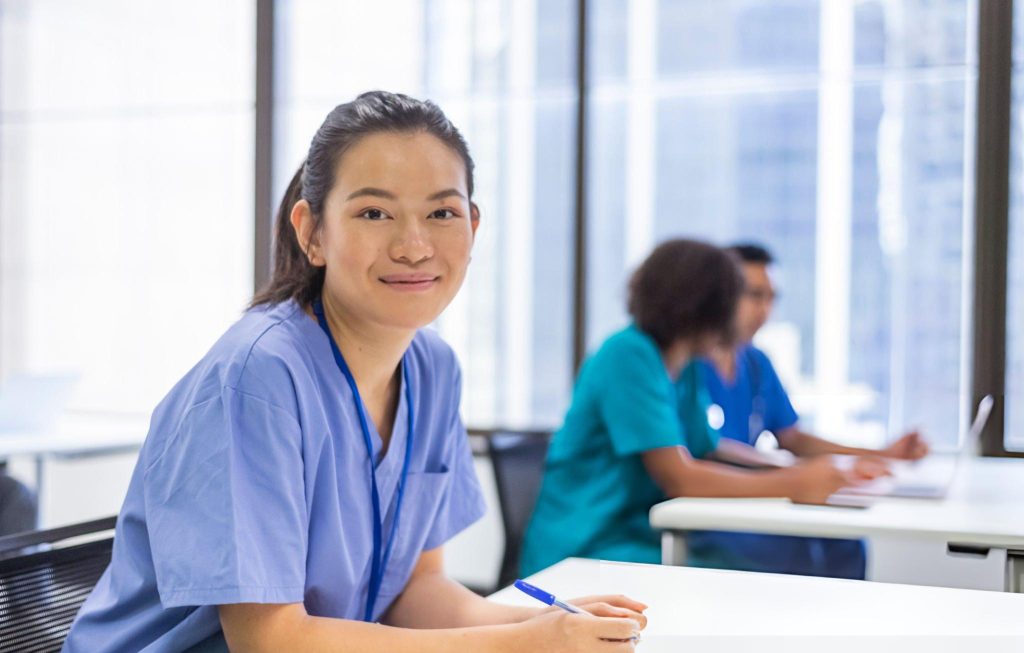
Nonprofit healthcare education is gaining more attention from students and professionals who want to make a real difference. It has nothing to do with chasing titles or status. Instead, it’s about learning through service, stepping into communities that need support, and growing skills through care and connection. Whether you’re a student just starting out or someone looking to shift your path, this kind of education gives more than a resume boost. It shows what empathy in action really looks like. Through nonprofit healthcare education, people are choosing to grow in ways that help both their communities and their own development.
Understanding Nonprofit Healthcare Education
This type of education takes a different path. Instead of staying in lecture halls or focusing only on exams, it brings people into real-life healthcare settings. It’s built around service, not competition. That means working side-by-side with local professionals and seeing healthcare needs up close.
Nonprofit healthcare education puts values like equity, dignity, and community leadership first. It teaches that good care starts with listening, not assuming. Participants often focus on what the community needs, not just what looks good on a resume.
• The learning is active and tied to people’s lived experiences
• Students are invited to show up with humility and a ready heart
• The goal is connection, not control
It’s a different way to think about growth, one grounded in helping, not just achieving. At Mission University, our field-based programs include clinical practice, public health research, and humanitarian outreach, giving participants the chance to apply what they learn in real time. Learners face the challenges of service work directly and see firsthand how resourcefulness and teamwork can make a difference.
This kind of approach encourages people to move away from learning as just reading or listening. Instead, it makes each day a new lesson, shaped by the real lives and needs of the people around them. The opportunity to work on the ground is about more than skills, it’s about sharing encouragement, exchanging ideas, and being part of care that feels immediate and valuable.
Different Paths to Learning and Serving
These programs offer many ways to learn. Students might find themselves helping with maternal health support, assisting with local wellness events, or joining a mobile clinic in a rural town. Some might teach health basics at a community center or support logistical work like stocking medical supplies.
• Hands-on roles could include patient intake, equipment setup, or translation support
• Outreach work might focus on nutrition, hygiene, or vaccination information
• Many learners rotate through different roles, building adaptability and insight
Working alongside local health providers, students learn to work across language, culture, and custom. They learn when to step in and when to step back. That mix of doing and listening builds more than skill, it builds trust.
Mission University offers international placements, where learners gain experience in underserved communities worldwide and can earn academic credit for select programs, aligning fieldwork with degree requirements. While learning, students also get to experience new cultures, ask questions, and make meaningful connections. The international scope means they gain insight into healthcare systems very different from their own, widening their understanding of global health challenges and local strengths.
No two days are the same in these programs. Tasks can change quickly, which encourages students and professionals to adapt and find creative solutions. Sometimes learners take on entirely new roles, discovering abilities they never expected to use. The wide variety of experiences helps build the kind of flexible, resourceful mindset that is valuable in any healthcare setting.
Who These Programs Are For
One of the best parts of these types of programs is that they welcome a wide mix of people. Some students come in with years of experience in healthcare, looking for a new way to serve. Others are early in their studies and still figuring things out.
These programs are right for people who care about others, who aren’t afraid to step outside their comfort zones, and who want to learn in real life, not just from books.
• You don’t need a perfect plan or a certain title to qualify
• What matters more is that you’re open to learning through service
• Participants come from all over the world and bring different perspectives
This kind of work invites people who are curious, who value working as a team, and who want to grow while giving back.
Participants often come from many educational backgrounds and age groups. Some have worked in clinics and want to gain experience working internationally. Others are still exploring healthcare and use these programs to figure out if it’s the right path. The flexibility of nonprofit healthcare education means there is room for everyone who is genuinely interested in learning and serving. These experiences help people realize their strengths while building new ones in the process.
Long-Term Impact on Communities and Participants
Education that centers on service doesn’t just affect the learner. It leaves a mark on the people being served too. These programs offer hands-on support that can fill real healthcare gaps, even if only for a season. More than that, they help strengthen local systems by coming in alongside instead of taking over.
At the same time, participants are often changed by the experience. They return home with a deeper commitment to equity and a real understanding of how service can shape a career.
• Many leave with new clarity about their future roles in healthcare
• Cultural humility becomes more than a theory, it becomes habit
• The relationships built often continue across borders
It’s not about fixing a problem and walking away. It’s about joining something bigger than yourself and learning from that.
Communities benefit from new energy and extra helping hands. Simple tasks like organizing supplies or helping run a screening event make everyday work smoother for local teams. Over time, these moments add up to real progress, especially when paired with active listening and respect. Participants learn to honor local customs and ideas, strengthening trust.
Just as importantly, those who participate in nonprofit healthcare education often say their outlook shifts. They better understand not just how to serve, but why service matters in the first place. Every handshake, every conversation, and every shared challenge makes a lasting impact.
A Journey That Stays With You
Nonprofit healthcare education leaves a lasting impression. It’s different from most types of school or training because the lessons don’t fade when class ends. They show up in how you communicate, respond to challenges, and care for others.
Students often carry the memories of these moments, the shared meals, the clinic setups, the late-night problem-solving, with them for years. They remember the people, the families, and the partners who took time to teach them something deep, not just technical.
This kind of learning brings together care and compassion, humility and skill. It reminds us that healthcare isn’t only about expertise. It’s about paying attention, showing up well, and building respect across every interaction. That’s the kind of education that tends to stay with you, for good.
Throughout your life, you may find yourself returning to the lessons learned in these programs. The confidence you gain, the flexibility you develop, and the empathy you foster travel with you wherever your path leads.
Even years later, graduates of nonprofit healthcare education programs often mention the small moments, helping organize a health fair, comforting a patient far from home, or trying to speak a few new words in another language. These little acts can have a huge impact, not just for the communities served but also in shaping compassionate and skilled professionals.
The impact is not just short-term, either. When you join others in service learning, you become part of a network that reaches across borders, cultures, and even generations. The support, courage, and lessons shared open your eyes to new perspectives, and you continue to grow long after the program ends.
At Mission University, we believe that learning through real service creates lasting change in communities and personal growth. Whether you are new to global health or bring years of experience, our programs welcome those ready to step outside the classroom and work alongside communities that need support. Explore how nonprofit healthcare education can help you build skills while collaborating with local partners worldwide. We are here to help you connect with meaningful field-based opportunities, so reach out to start a conversation with us.